
The Time & The Place
History & Geography: Early 19th Century & Bantry Bay, West Cork
On this page you can find pieces about Ellen that emphasis the time and the place in which she was studying botany, and remind us of the differences between then and now. There are extracts from Ellen’s letters, an account of a visit by botanists to Ballylickey in 1809 and information on the type of microscope Ellen might have used. There is a piece about what Ellen might have been wearing while plant hunting and at home, and some wonderful photographs that show the splendours of the Bantry Bay area.
Ellen Hutchins - a significant scientist for all time
by Breda Moriarty
For Ellen, collecting and identifying specimens would have been a difficult task. I have spent time in some of the places around Bantry where Ellen conducted a lot of her work, including her home place of Ballylickey. Visiting these coastal areas fills me with admiration for the work of this pioneering female botanist. The scale and precision with which she undertook her botanical inquiries is astonishing even in our contemporary terms. She often rowed boats and hiked to remote locations. She would send the samples by post from West Cork to Dublin to be verified by colleagues such as James Mackay and Dawson Turner. In the 1800s this would have been both expensive and time consuming. If I were to attempt what Ellen did in the present day, then I would have a number of resources at my disposal, including the internet, reference guides, modern equipment, ease of transport — the list goes on. She discovered new species and identified rare plants, work that has contributed hugely to the most significant collections of botany in Ireland and the UK. Her contribution to the science of botany is as relevant today as it was two centuries ago.
Breda Moriarty is Research Assistant, Deep Maps: West Cork Coastal Cultures. http://www.deepmapscork.ie/

An amazing woman
by Fionnuala O’Neill
Dr. Fionnuala O’Neill is a professional botanist who works in an ecological consultancy in Dublin, Ireland. Her work takes her all round Ireland, surveying a wide variety of habitats including woodlands, grasslands and coastal environments. During her PhD she became very familiar with the mosses and liverworts of the oak woodlands in Glengarriff, 10 miles from Ellen’s home in Ballylickey, and found a sample of Jubula hutchinsiae, her first introduction to the name of Ellen Hutchins.
Was it possible?
Susan Steele, PhD, MBA, MEd
Authority Chair, Sea-Fisheries Protection Authority
Three Mini Biographies with Personal Perspectives
A note on Ellen Hutchins
Extract:
Ellen was a daughter of Thomas Hutchins (1735-1787) of Ballylickey House and his cousin Elinor née Hutchins (1743-1814), and took up botany after being treated for illness by Dr Whitley Stokes, who was keen on botany as well as being a physician. Ellen was also cousin to the Irish physician and botanist Thomas Taylor (1786-1848) of Cork and County Kerry. Family connections were important to Ellen, who lived at a time when it was quite normal for middle-class people to marry relatives, and when physicians had to be able to identify plants, many of which were the source of medicines.
Mark Lawley is a botanist who is also interested in the history of Irish and British natural history. His biography about Ellen and other bygone bryologists* can be found on the British Bryological Society website under learning more & bryohistory.
Ellen: one of the first
John Parnell is Professor of Botany at Trinity College Dublin.
*indefatigable – always determined and energetic in trying to achieve something and never willing to admit defeat. It is a great description for Ellen and her botany.
Ellen Hutchins of Ballylickey: Botanist
Angela O’Donovan is Cathaoirleach (chairperson) of the Bantry Historical & Archaeological Society
Botanists at Ballylickey

A picture of Bantry Bay and the Hutchins household at Ballylickey

‘From the summit of a high hill we enjoyed a grand and impressive view of Bantry Bay which is surrounded by wild mountains.’
In his diary, Dillwyn described the house at Ballylickey and his day with the Hutchins household, and a return visit the next day for breakfast and then his journey over Priests Leap to Kenmare.
‘The house [Ballylickey] surrounded by a plantation of trees is delightfully situated at the head of a small cove… & commands a beautiful prospect of the bay & its surrounding mountains.


I busied myself until noon in looking over a part of Miss Hutchins’s extensive and well arranged collection of algae [seaweed] etc and we then, accompanied by her younger brother [Sam] embarked on board the family pleasure boat for a sail on the bay. We landed on a rather large island called Whittie [Whiddy], the shores of which are very steep and rocky & there I gathered several marine algae which I never saw growing before.
We returned to Ballylickey and after dinner employed ourselves until 10 o’clock in examining different parts of Miss Hutchins’s extensive collections

The master of the house at Ballylickey is Mr Thomas Hutchins who about ten years ago lost the use of his limbs so that he is obliged to be carried from one room to another, & with him an aged Mother and his Sister [Ellen] reside. The liberality, politeness and hospitality of all these we have great cause to remember.’
‘In the bay large quantities of corallines (coral sands) are dredged up for the purposes of manure, & on our way to Miss Hutchins’s, I for an hour examined some heaps in which I found several scarce and valuable shells & among these are two or three which Mr Leach thinks are new to Britain.
About half past twelve, we with great regret parted from our new friends at Ballylickey & set out for Kenmare. At 1 o’clock we arrived at the foot of the Priests Leap….. It is a tremendous mountain for a carriage to pass & can only be accomplished with great difficulty on which account we found a respectable farmer with fifteen of the peasantry waiting by Mr Hutchins’s order in readiness to assist us.
The prospect from its summit is very grand and extensive. To the southward the smooth and glassy surface of Bantry Bay with its numerous creeks & inlets formed a fine contrast to the dark line of its surrounding mountains, & a large tract of country with the Atlantic Ocean beyond as if spread in a map beneath us.’
Writing to fellow botanist Dawson Turner, Lewis Dillwyn describes Bantry Bay as ‘perhaps the best garden in the world for the marine algae (seaweed), and they there grow in deep pools secure from the ravages of every storm, and as you know, attain an enormous size’.
For a modern day picture of ‘heavenly’ Bantry Bay see the Wild Atlantic View, described as Ireland’s most beautiful viewing point. For a short (2 min) “overflight” video of Bantry, see here.
If you would like a virtual visit to Bantry Bay, or if you are visiting in person, see the Heritage Trail page for a self guided tour of the area and enhance this with the Audio Guide which includes readings from Ellen’s letters and Lewis Dillwyn’s diary.
Extracts from Ellen Hutchins' Letters to Dawson Turner

Three Extracts from Ellen’s Letters to Dawson Turner: 1811
“If the weather would moderate I should try to go to the mountains. I expect to do something during the course of next month. I have planned several little excursions but the weather is desperate for every thing & what is worst of all for the poor people’s potatoes, for you know when we want potatoes we want every thing. I am afraid the poor will starve next year.”
“Yesterday was delightful on the mountain. I went to a small Lake around which the mountains rose very suddenly & cast a deep gloom on the lake. I rather crept than walked up the side of a mountain for the ascent was so steep I could hardly stand upright. …
I intend going to a very steep place that I saw at a distance where a rivulet runs down the side of a mountain. I crossed the rivulet at the bottom of the mountain in a little green valley where a solitary cabin stands from whence nothing but mountains can be seen & at a considerable distance from any other human habitation. I longed to spend a week in this cabin & walk about among the rocks.”
Ellen Hutchins to Dawson Turner 24th July 1811
“I am glad to find Mrs. Turner is gaining strength & hope she will be fully recovered before winter. She has the advantage of agreeable society to amuse her mind & support her spirits. You seem to have valuable & agreeable people always at your house. Mr. Mathias must be a delightful man. I have often heard of him, tho’ a man may have much celebrity in London & his name be unknown in this obscure corner of the world. However we begin to hear more & be more known than we were a very few years ago, thanks to the French since they visited as Military people & other strangers have got into the country [district]. Before that time you could hardly imagine any thing more retired than this country [district] or more completely shut out from all knowledge of what was passing any where else.”
Ellen Hutchins to Dawson Turner 16th October 1811
One Whole Letter
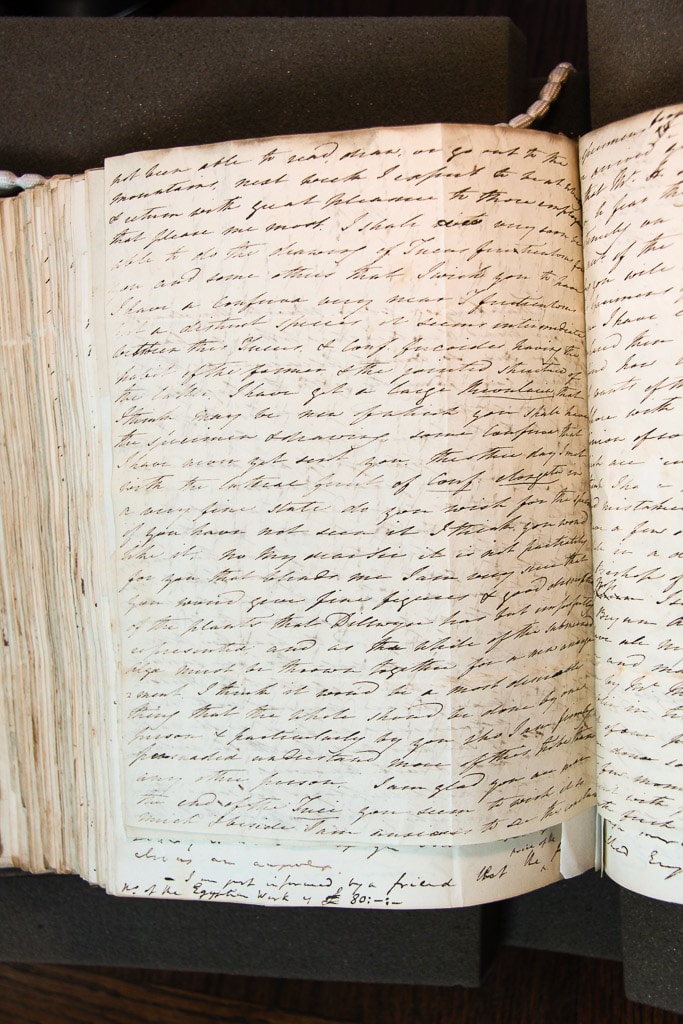
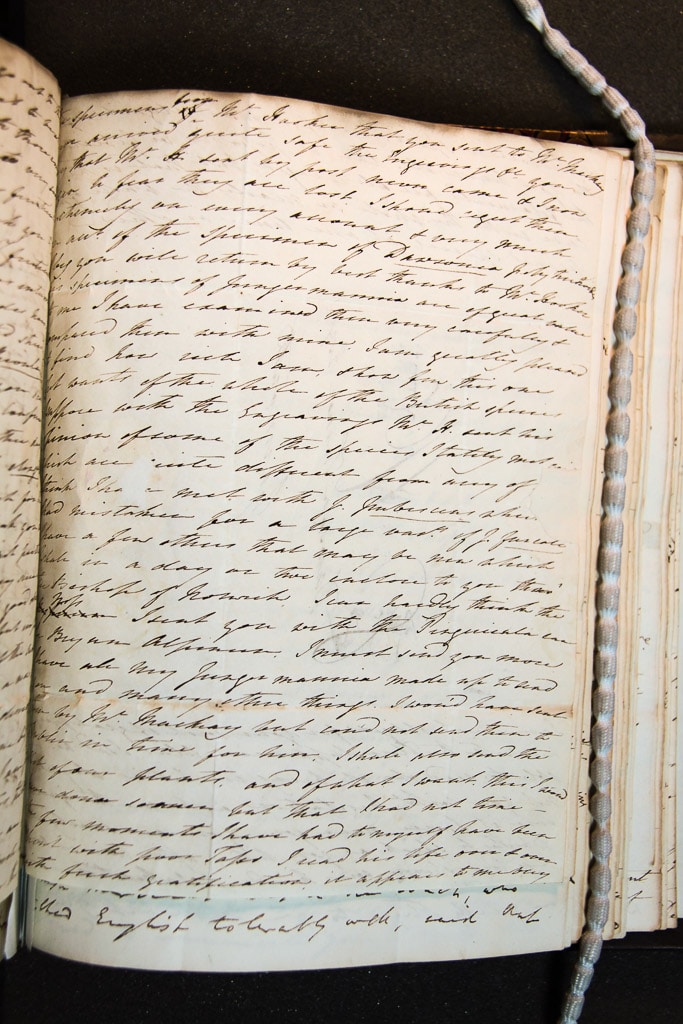
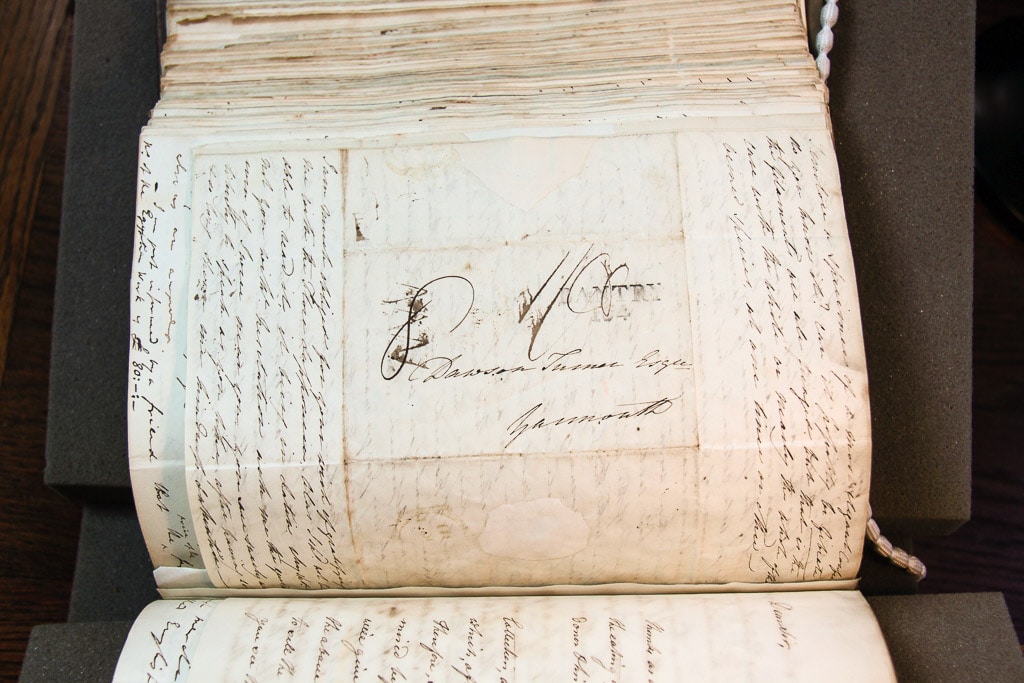
On 29th September 1811, Ellen wrote to Dawson Turner in her normal fashion; covering a great range of topics in one letter, and running out of paper. For the last page of text, she turned the full page sideways and wrote over it. This is called cross hatching. The photographs of the letter pages show the cross hatched page and allow you to see if you can read it. The full text of the letter is given, so you get a feeling for the breadth of issues that Ellen would cover in one piece for correspondence with her greatest botanist friend. The style of the language, as well as references to literature, give a useful sense of the period in which she was writing. This letter was transcribed in 2017 and is published here for the first time.
Ellen: Letter to Dawson Turner
Ellen’s letters to Dawson Turner are held in bound volumes of the Dawson Turner Correspondence in the Wren Library of Trinity College Cambridge, and the text and images are shown here by kind permission of the Master and Fellows of Trinity College Cambridge.
Ellen to Dawson Turner: 28th September 1811
The specimens from Mr. Hooker that you sent to Mr. Mackay have arrived quite safe. The Engravings &c you say that Mr. H. sent by post never came & I now begin to fear they are lost. I should regret them extremely on every account & very much on acct. of the specimen of Dawsonia polytri[choides?]. I beg you will return my best thanks to Mr. Hooker. His specimens of Jungermanniae are of great value to me. I have examined them very carefully & compared them with mine. I am greatly pleased to find how rich I am, & how few this one spot wants of the whole of the British species. I suppose with the Engravings Mr. H. sent his opinion of some of the species I lately met with which are quite different from any of [__] I think I have met with J. pubescens which I had mistaken for a large vary. of J. furcata. I have a few others that may be new which I shall in a day or two enclose to you thro’ the Bishop of Norwich. I can hardly think the xxxxx moss I sent you with the Pinguicula can be Bryum alpinum. I must send you more. I have all my Jungermanniæ made up to send you and many other things. I would have sent them by Mr. Mackay but could not send them to Dublin in time for him. I shall also send the list of our plants, and of what I want. This I would have done sooner, but that I had not time. The few moments I have had to myself have been spent with poor Tasso. I read his life over & over with fresh gratification. It appears to me very
[first line/s of the cross-hatched section illegible]
…… so able [?] judgement is [___] that I hardly dare to express an opinion. I can say it pleases my feelings but how far they accord with those of other people I can not say. I live so completely retired & from the habit of keeping my thoughts very much to myself I should hardly venture to speak them. I never think of Tasso but with the highest admiration & regard. Your quotation from Marston’s ode is most beautiful. I had not seen it & shd be very glad to see the whole. Byron I delight in, I believe most people do. While his poetry delights, his life pains one. I used to think that superior genious was accompanied by superior virtue, but I find it is otherwise & now believe that plain good sense & virtue are more frequently to be found united. I should like to believe that every perfection was added to genious, it would be pleasing to one’s feelings to think so, but I believe it would be wrong & unjust to those who are not so exalted. I cannot conclude without saying that my Mother is if any thing rather better since the weather has been cool. I am now strong again. Mrs. T. is probably by this time returned from the country. I beg you make our kind wishes acceptable to her & believe me your ever obliged friend.
E. Hutchins
Sept. 28th 1811

Ellen's Microscope


What did Ellen wear?
It can be helpful in understanding a period of history to have pictures from that time of the ordinary and everyday things. See a delightful piece on clothing of the period (developed for our sister website for schools) here.
Link here to the video of a Zoom talk (1 hour 20 minutes) about Costumes and Customs – Women’s lives in the early 1800s. The talk was given by Carrie O’Flynn, historical re-enactor from Cork City, during the Ellen Hutchins Virtual Festival in 2020. Learn about the layers of clothing, clothes for different times of day, social expectations and etiquette, and see some wonderful images of clothes from the period. There is also a 10 minute piece on Getting Dressed, showing the layers of women’s clothing.
Bantry Bay

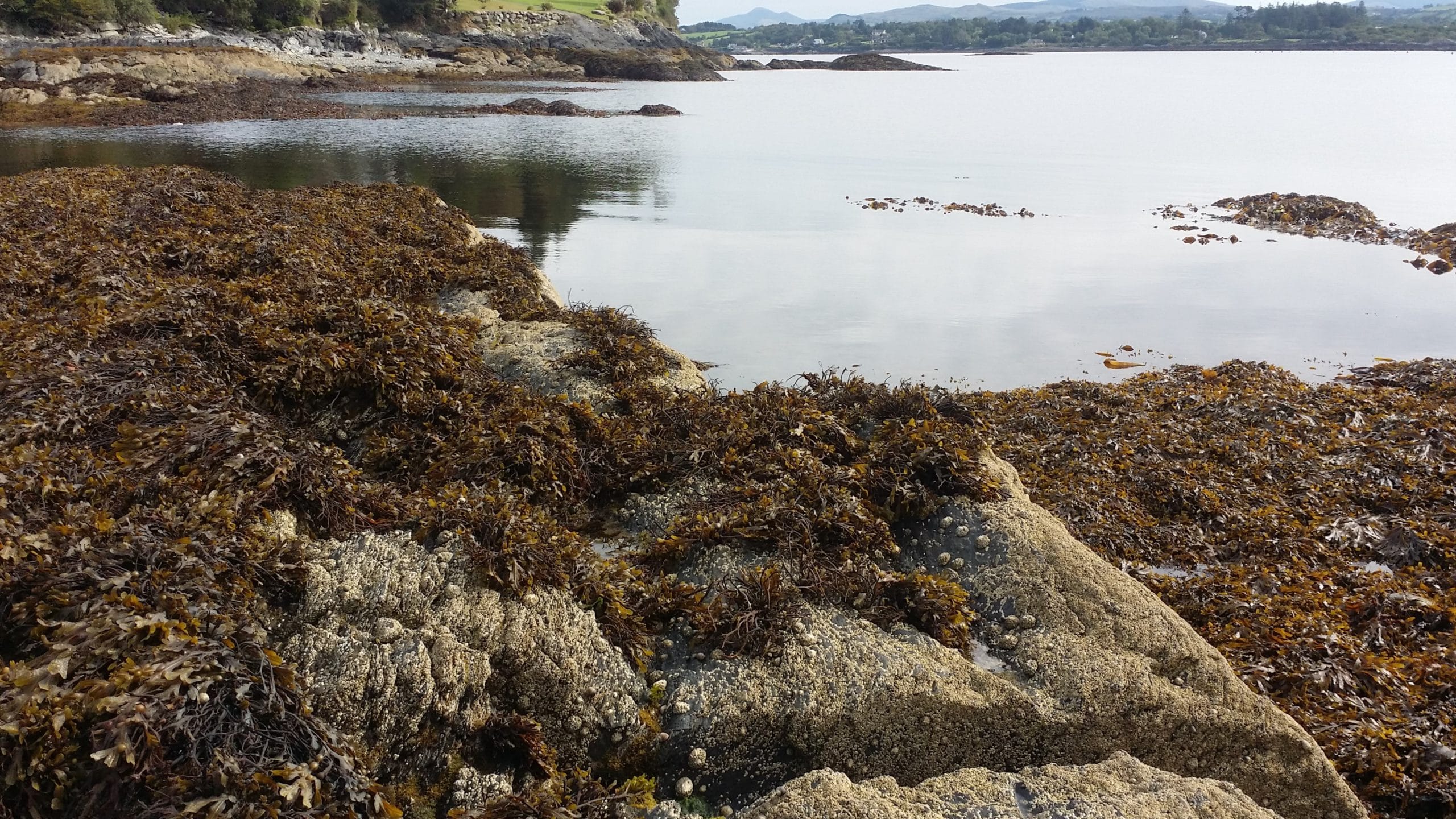
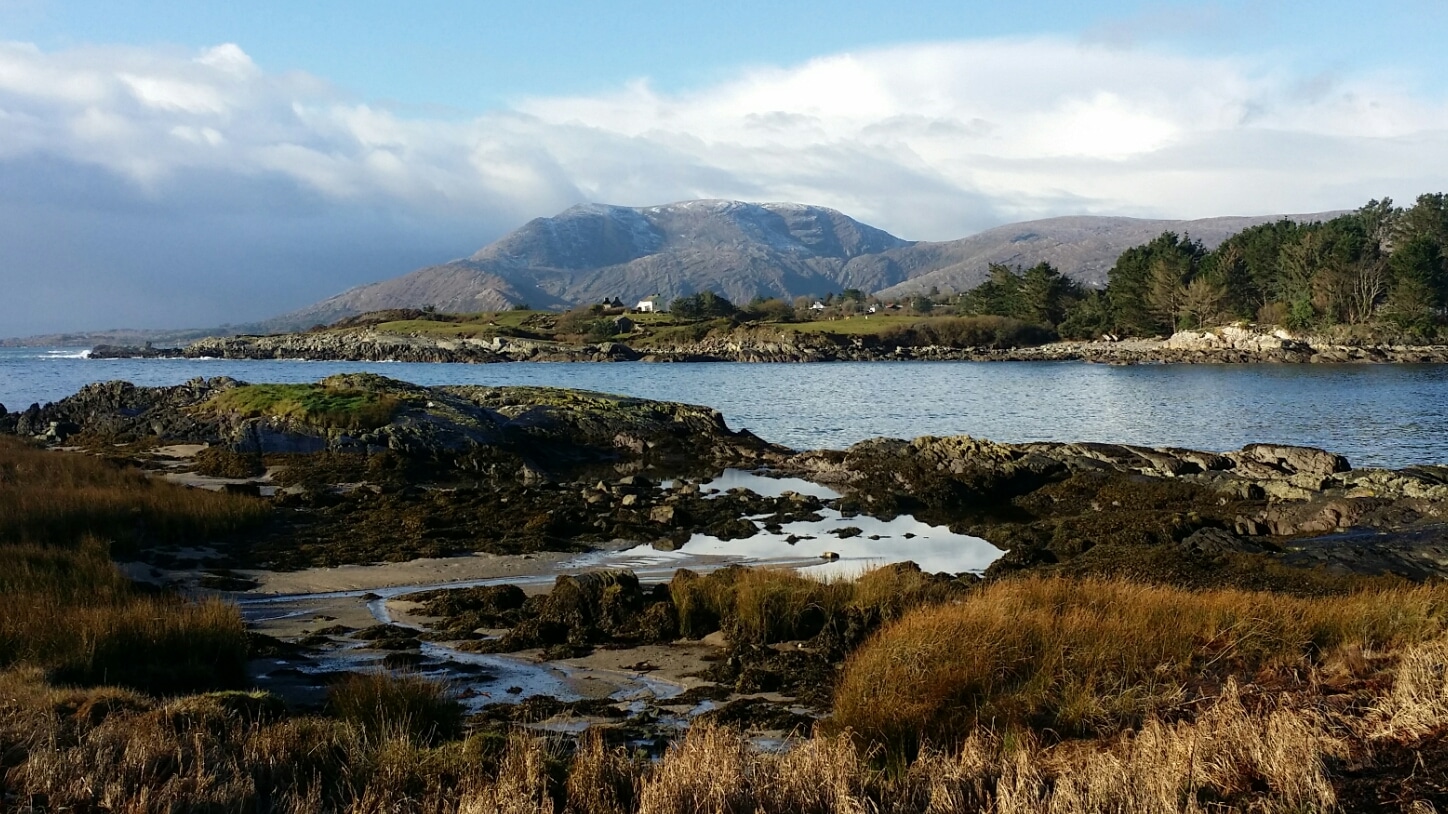
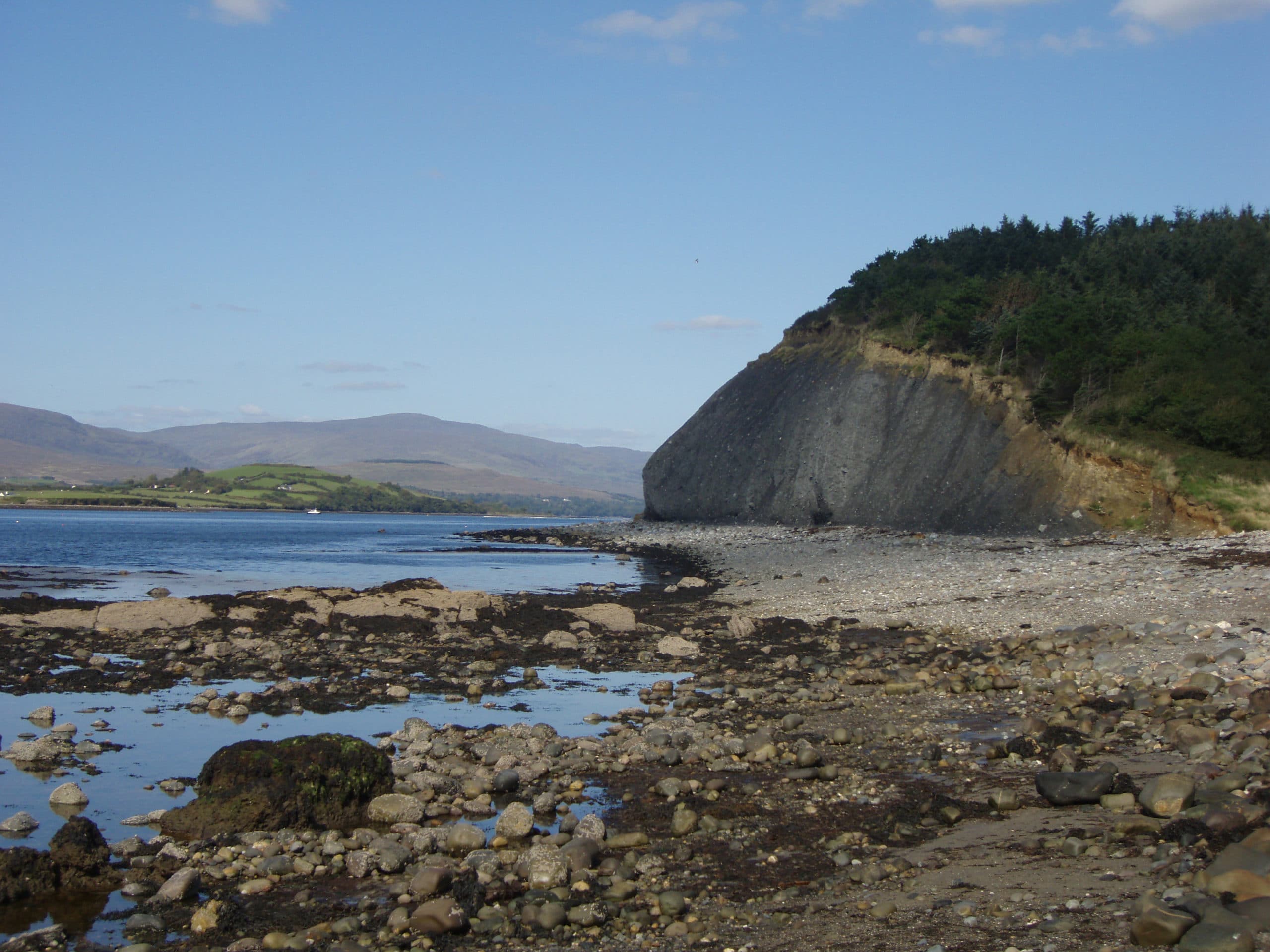
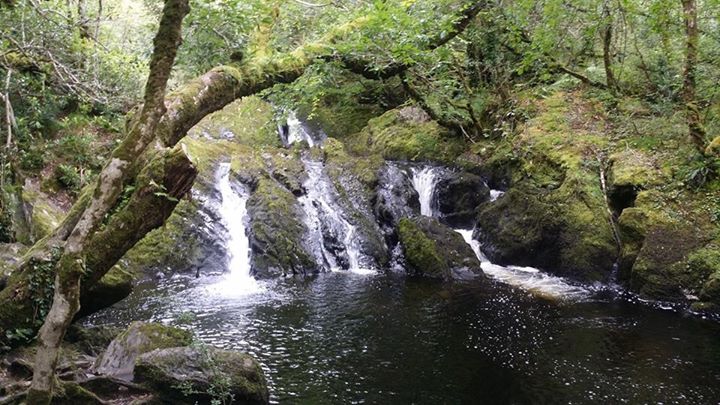
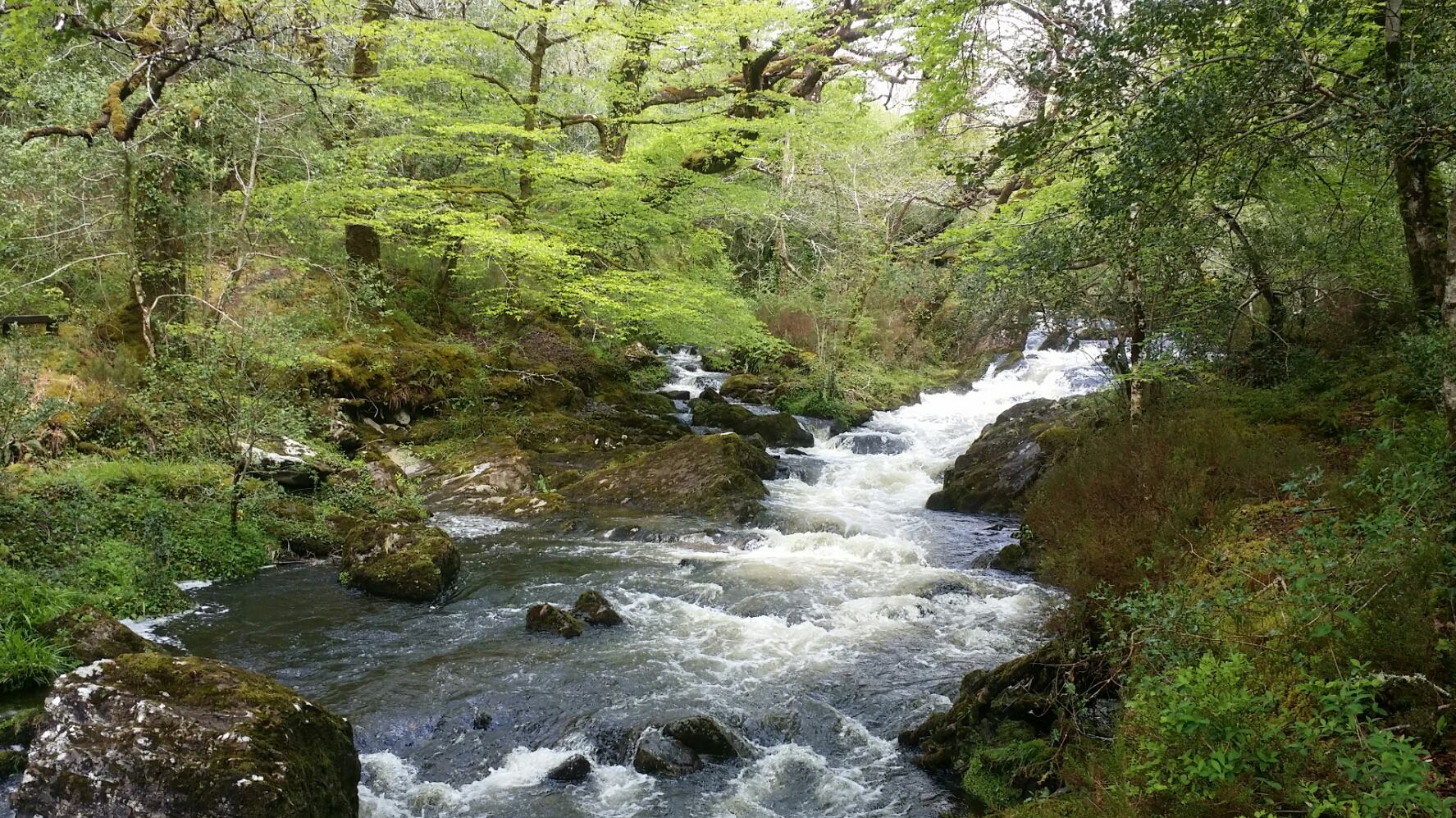
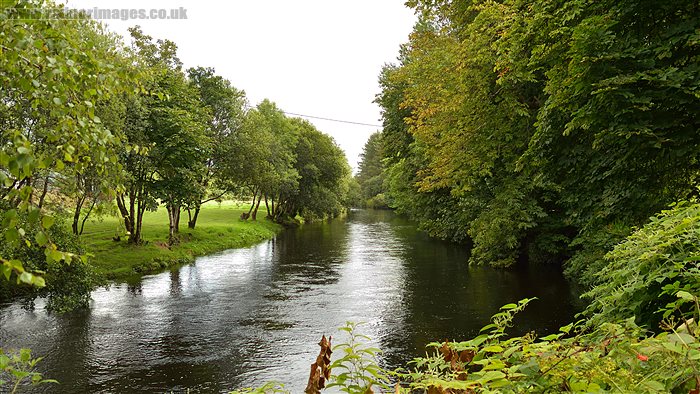
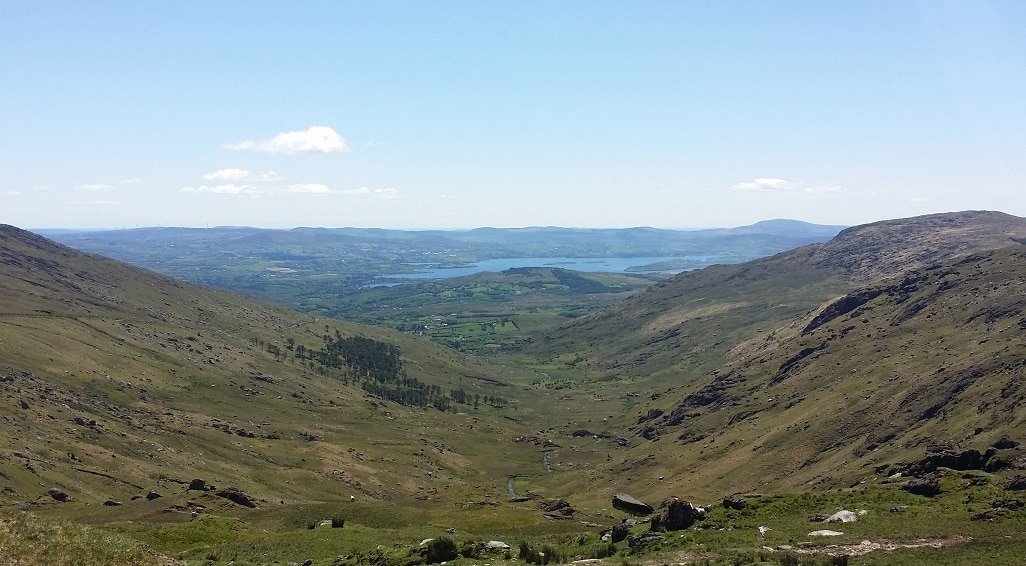
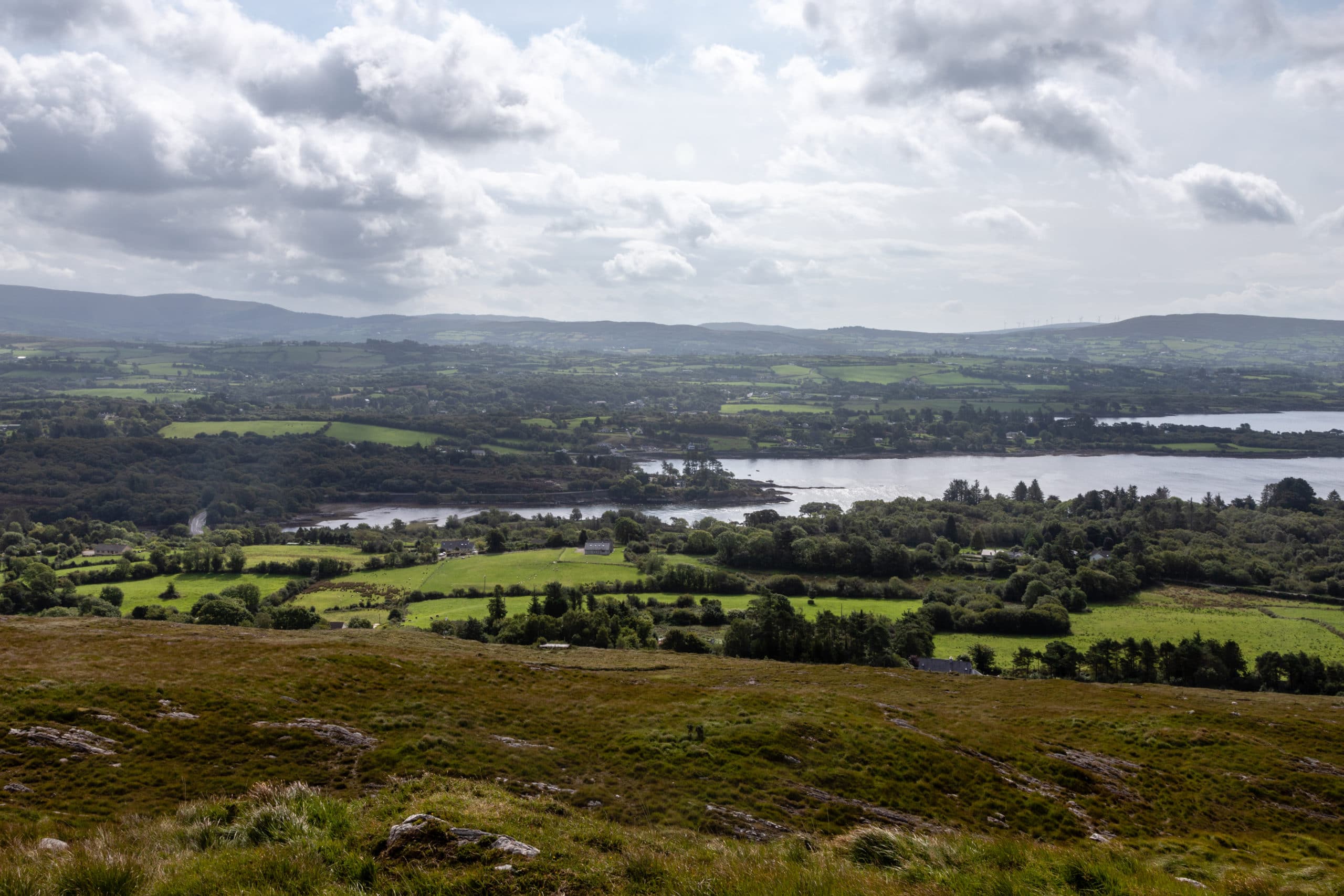
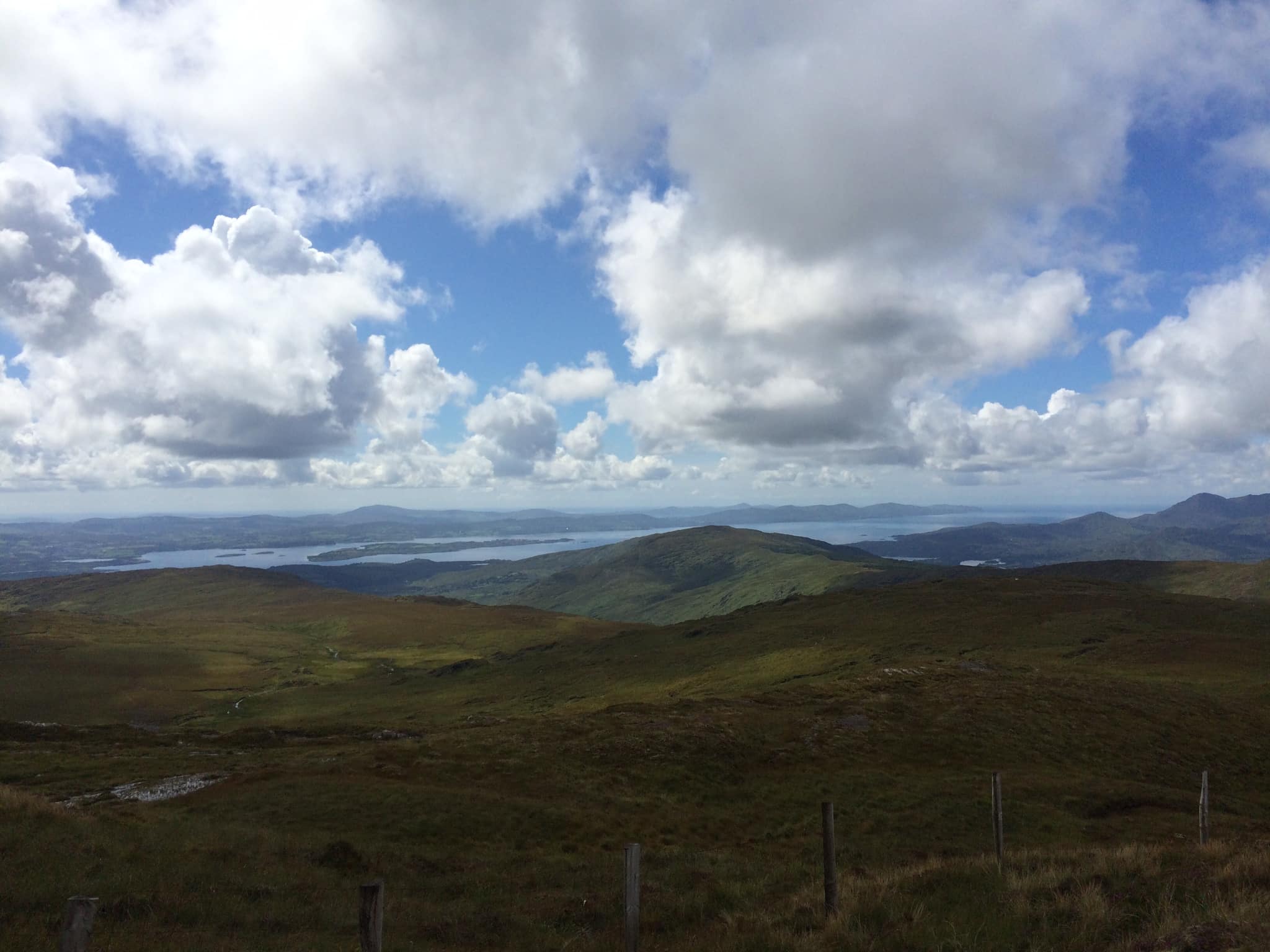
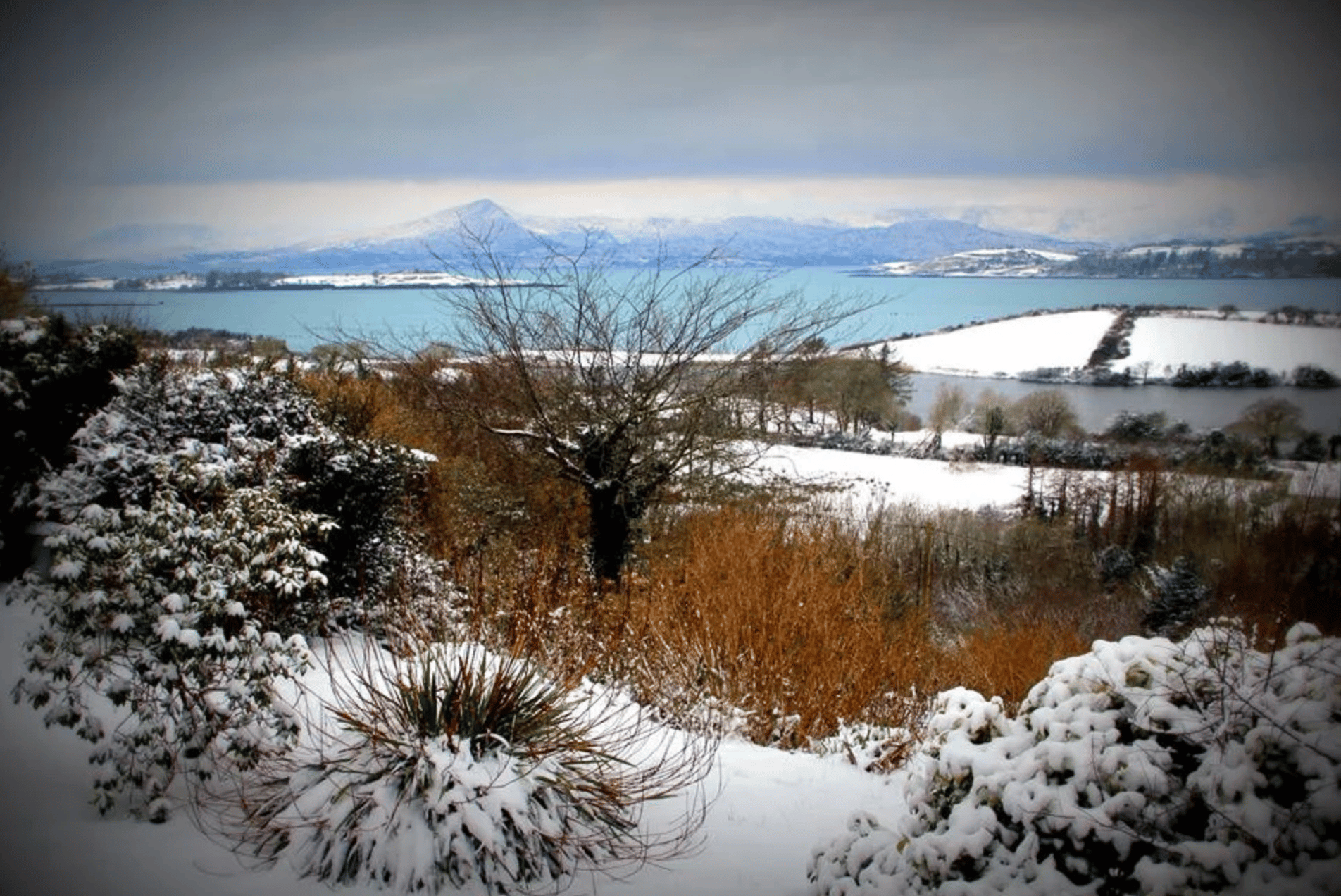
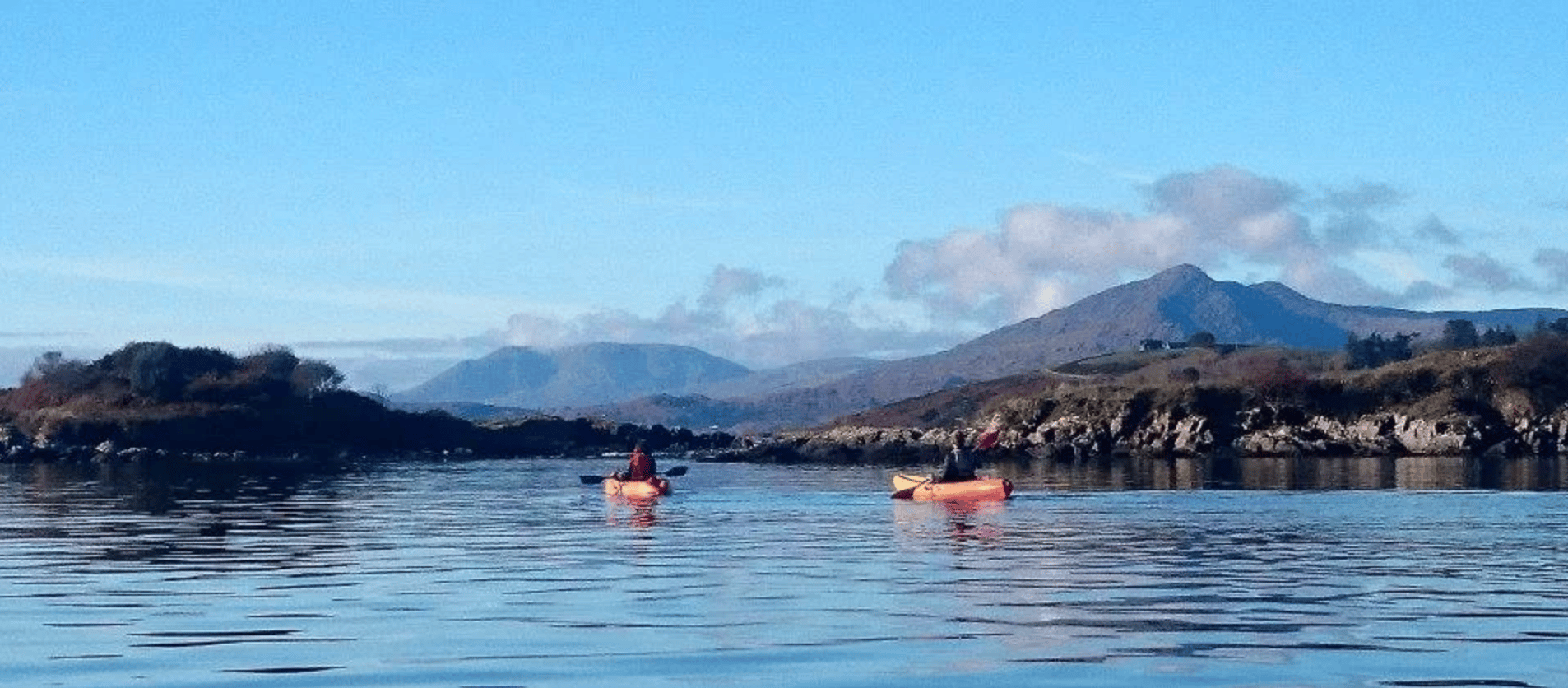
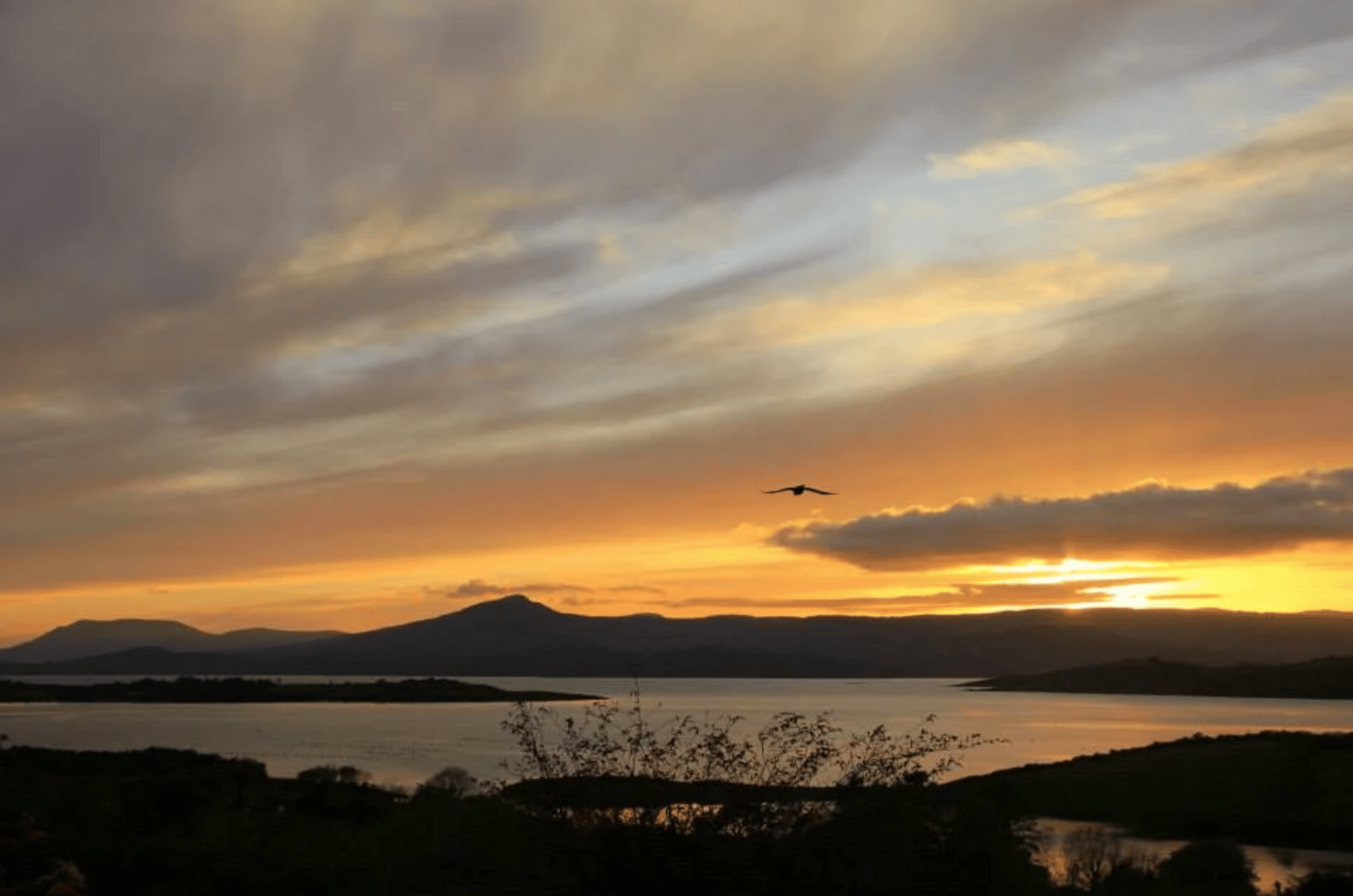
photographs taken by local photographer, Deirdre Fitzgerald and others
Key to abbreviations used in photo captions
HFC – Hutchins Family Collection KEW – Royal Botanic Gardens, Kew, London NHM – Natural History Museum London TCC – Trinity College Cambridge TCD – Trinity College Dublin