The early 1800s
Gathering SeaWeed, Baskets, letter writing,costumes and customs, botanical art, pressing seaweeds
Ellen Hutchins was botanising, writing letters, making seaweed specimens and her watercolour drawings of seaweeds between 1805 and 1814 in the Bantry Bay area of West Cork, Ireland. In order to understand more about Ellen’s world, the Ellen Hutchins Festival Team have been doing some research into everyday issues of that time period and they share the results here.
Find out who was gathering seaweeds from the seashore for food and fertiliser. See the baskets they used and the clothing that was likely to have been worn. There are two short films and other resources.
Learn more about letter writing and the postal system through five illustrated panels – Putting Pen to Paper: the materials of letter writing in the 1800s.
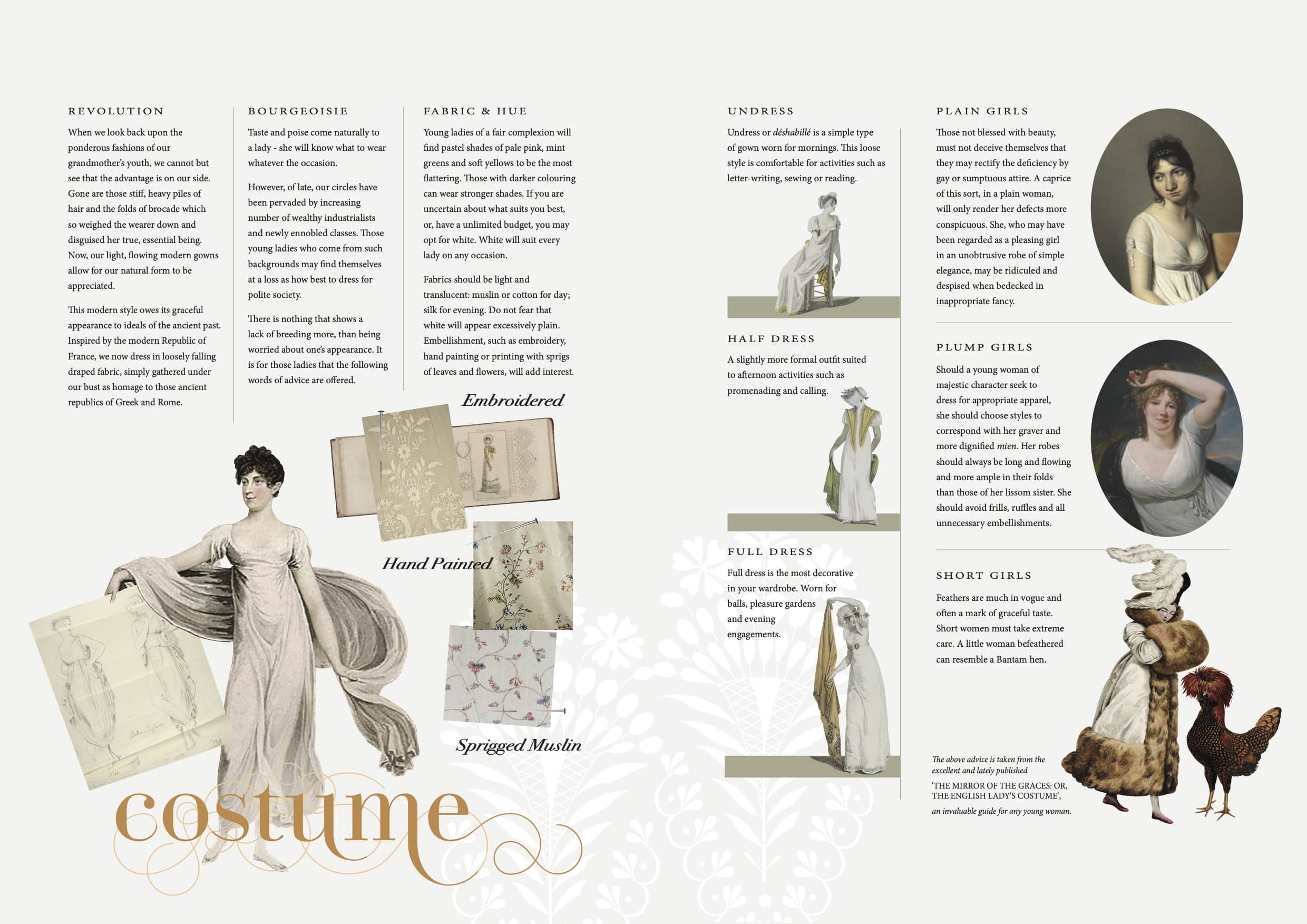
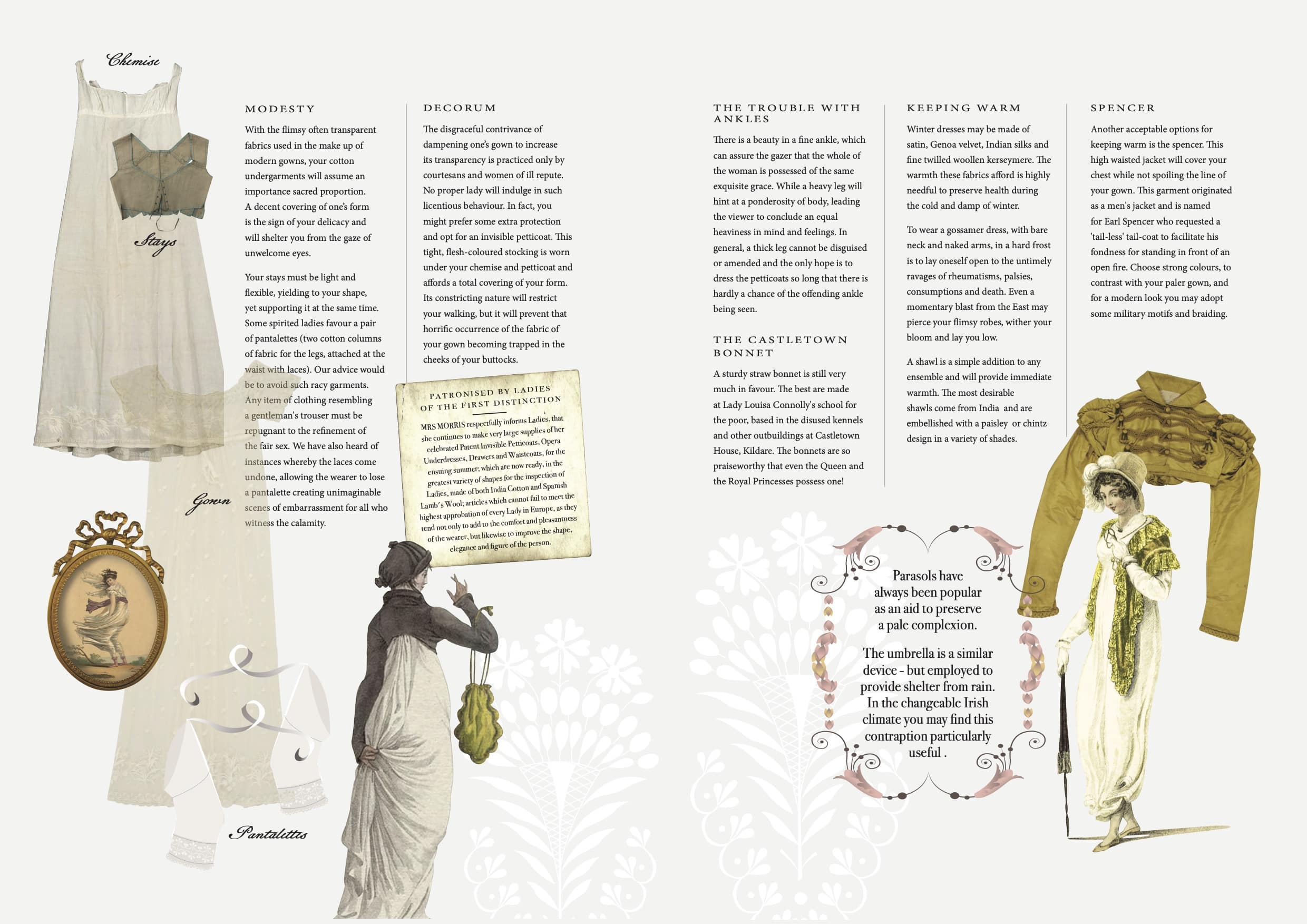
Understand costumes and customs of the early 1800s with a video recording of an illustrated talk by historical re-enactor, Carrie O’Flynn, given during the virtual Ellen Hutchins Festival in August 2020 (1 hour and 22 minutes), and a short piece, Getting Dressed in 1810 (1 minute 43 seconds). See below.
For children, Carrie and our designer, Jenny Dempsey, have created a lovely interactive web-piece on costumes of the time here
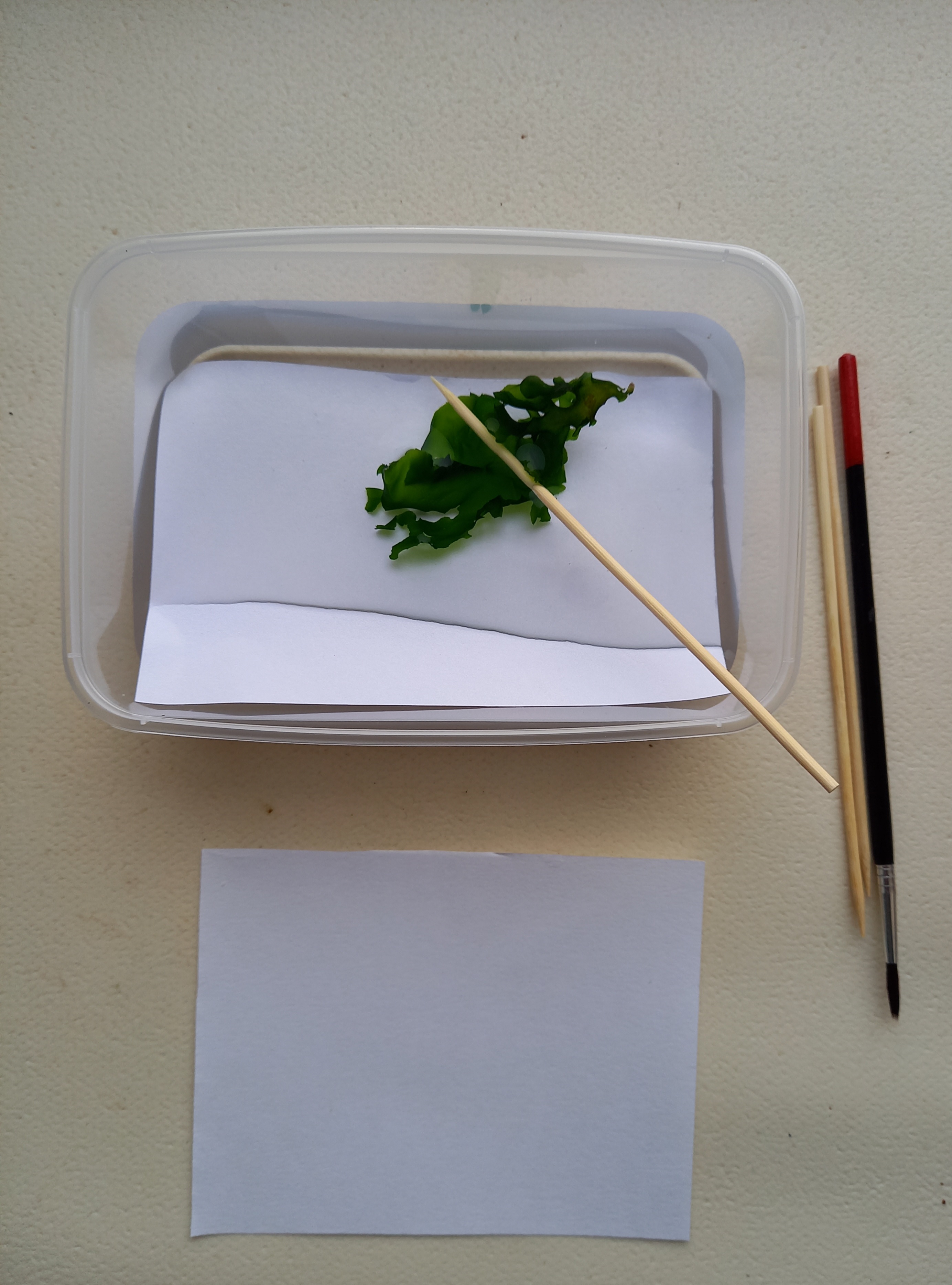
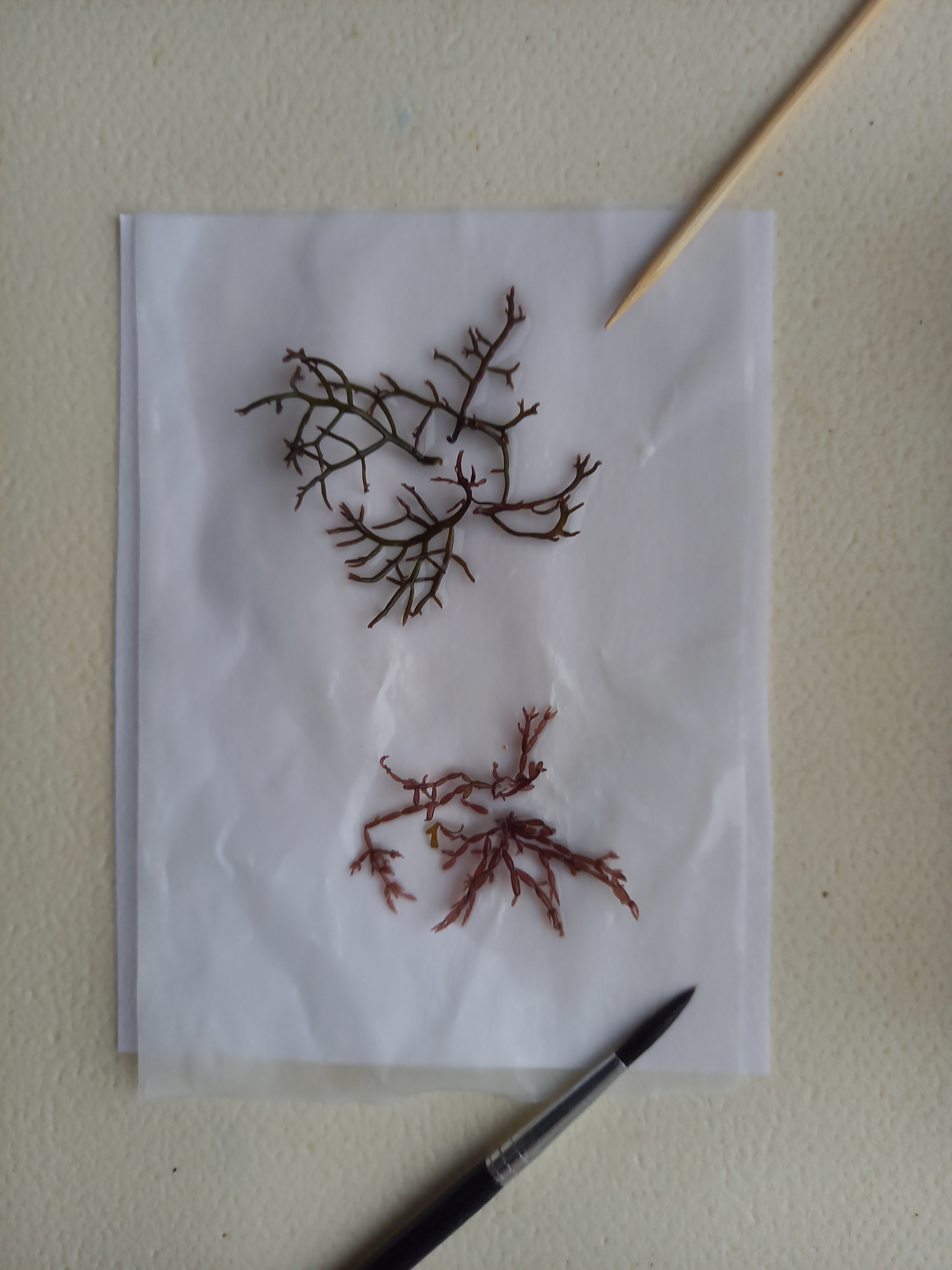
Frances Gallagher has produced a great set of instructions on how to press seaweeds either as specimens or for use in artworks. The method is almost exactly as Ellen would have done it, over 200 years ago. HERE
Botanical artist, Shevaun Doherty, compares botanical art now with how it was when Ellen was drawing and painting seaweeds. HERE
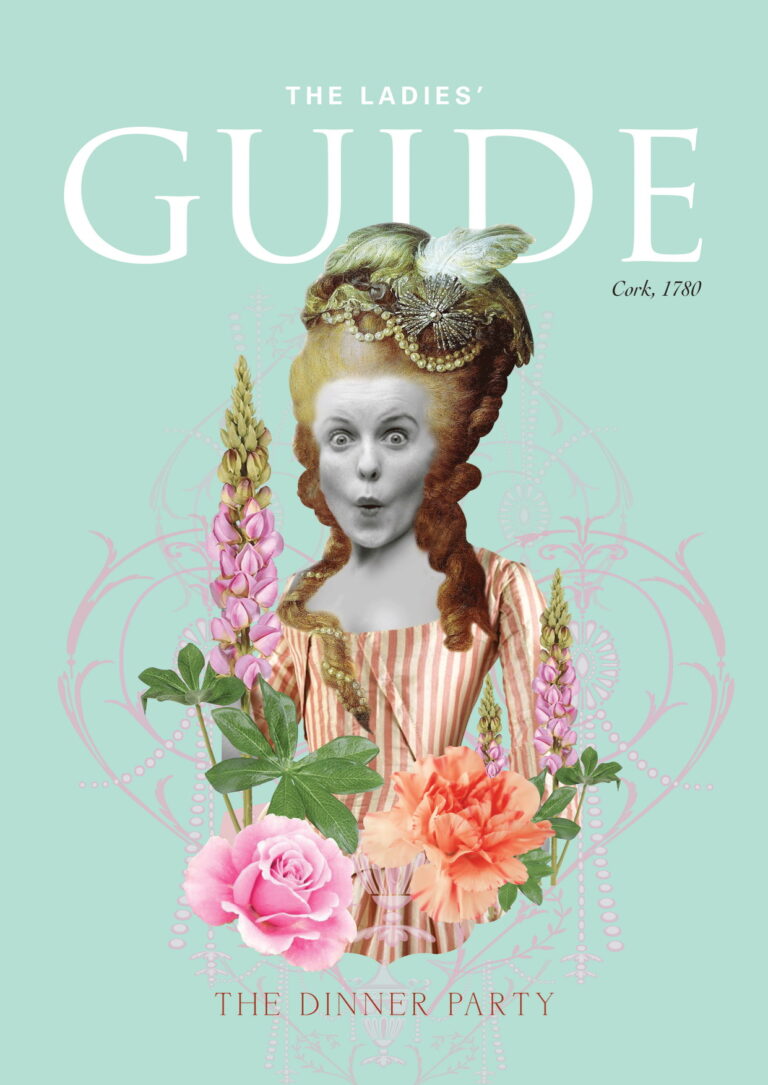
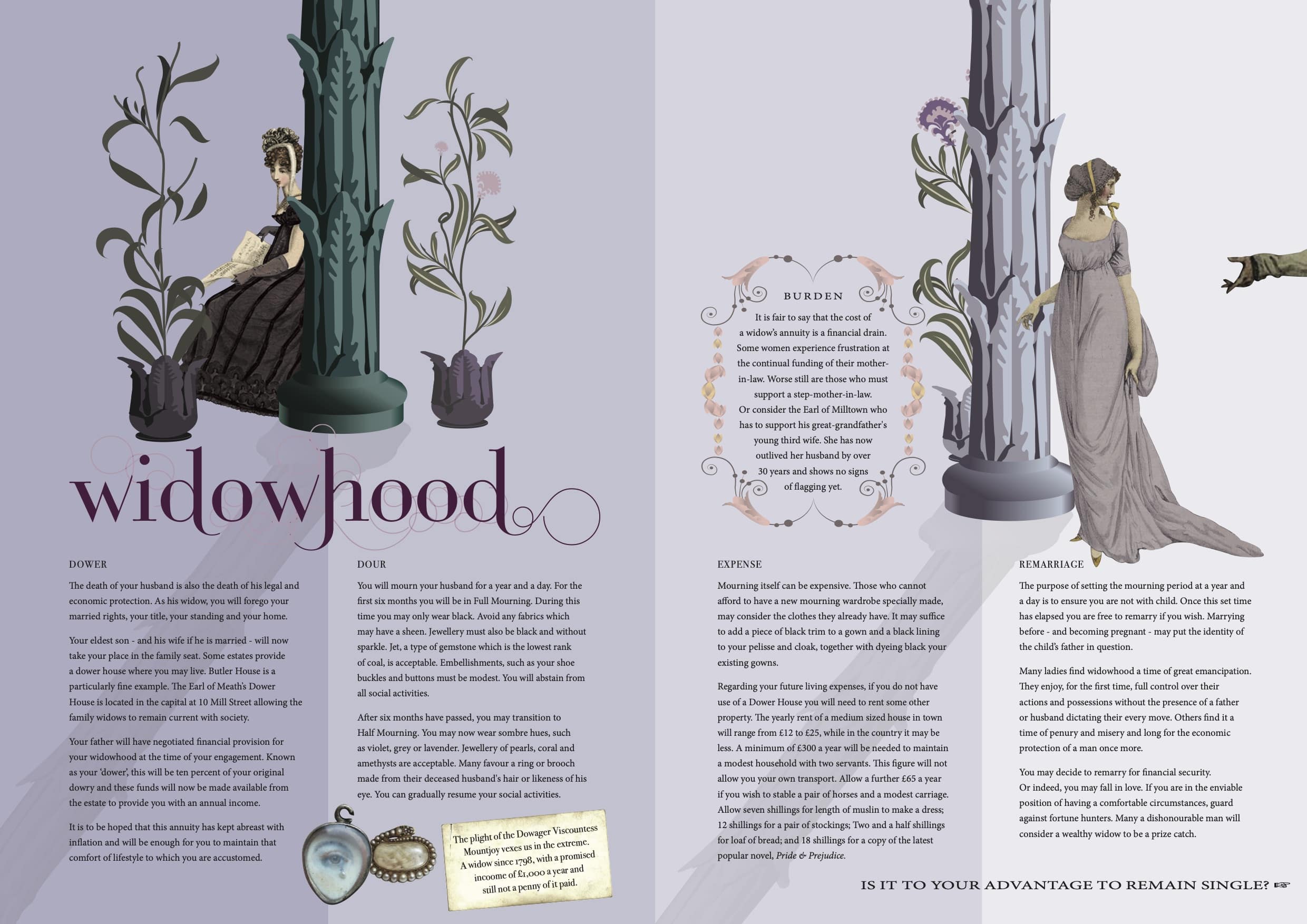
Bantry-based Jenny Dempsey, the highly talented designer behind all of the Ellen Hutchins Festival projects, also runs her own enterprise, Pretty Interesting History, and has produced two splendid guides to aspects of Ellen’s time period. They are an absolute delight, and she has kindly shared a few pages with us here. See below.
The Ellen Hutchins Festival Team have been researching outdoor and weatherproof clothing. The research results will be shared here in 2025.
She Gathered Seaweeds on the Seashore
On the shores of Bantry Bay, and elsewhere in Ireland, women with large willow baskets gathered seaweeds to take home with them to use as food or as fertiliser. Very specifically, on the shores of Bantry Bay, between 1805 and 1812, Ellen Hutchins, botanist, also with a willow basket, was collecting samples of seaweeds to make specimens or drawings.
Watch the film “She Gathered Seaweeds on the Seashore” (here) below to find out how they were dressed and what their baskets looked like, and see how seaweed specimens are made.
The film “A West Cork Creel” (here) shows the making of a traditional seaweed collecting basket by Martin O’Flynn, basket maker. For period pictures of creels and similar baskets see here.
Willow baskets were made in all shapes and sizes to suit specific uses. The willow was grown locally, and every townland or area had its local basket maker. Yvon O’Flynn has researched traditional willow basket making in West Cork and with help from other members of the Ellen Hutchins Festival Team came up with the size, shape and style of basket that Ellen Hutchins is likely to have had for collecting seaweed and other plant specimens.
The decision was that Ellen’s basket would have been oval, sturdy, and rustic rather than refined. Yvon then made three, one at full adult size, and two at scaled down sizes for children to use in the Festival’s Living History events. The two smaller ones also allowed Yvon to show variations on weaves that were typical of the period, and one uses white willow with the bark stripped off.
The full size adult basket is probably much larger than you are used to seeing or using now. All the evidence we have points to Ellen using a large basket, able to carry a significant quantity of specimens. We know from Ellen’s letters to fellow botanist, Dawson Turner, that sometimes she had a young girl or boy to help her with her baskets and boxes on the rocks. The Team consulted many period pictures showing baskets and basket sellers. See a few of the images here.
Willow baskets were made in all shapes and sizes to suit specific uses. The willow was grown locally, and every townland or area had its local basket maker. Yvon O’Flynn has researched traditional willow basket making in West Cork and with help from other members of the Ellen Hutchins Festival Team came up with the size, shape and style of basket that Ellen Hutchins is likely to have had for collecting seaweed and other plant specimens.
The decision was that Ellen’s basket would have been oval, sturdy, and rustic rather than refined. Yvon then made three, one at full adult size, and two at scaled down sizes for children to use in the Festival’s Living History events. The two smaller ones also allowed Yvon to show variations on weaves that were typical of the period, and one uses white willow with the bark stripped off.
The full size adult basket is probably much larger than you are used to seeing or using now. All the evidence we have points to Ellen using a large basket, able to carry a significant quantity of specimens. We know from Ellen’s letters to fellow botanist, Dawson Turner, that sometimes she had a young girl or boy to help her with her baskets and boxes on the rocks. The Team consulted many period pictures showing baskets and basket sellers. See a few of the images here.
While the clothing, especially waterproofs, have changed hugely, Ellen’s equipment for collecting and making specimens would have been very similar in many ways to that used by botanists today. In her basket she would have had a notebook and a pencil, a scissors or small knife for cutting plants, and a loupe or magnifying glass (now a handlens) and some string. She may have brought newspaper or oiled silk (now plastic bags) to wrap the specimens up to keep them moist.
At home, making the specimens, she would have used a paint brush or small probes (now wooden kebab sticks work very well) to lay the seaweeds out carefully on the sheets of paper. Frances Gallagher has produced a great set of instructions on how to press seaweeds either as specimens or for use in artworks. The method is almost exactly as Ellen would have done it, over 200 years ago. HERE The seaweed events in the Ellen Hutchins Festival during Heritage Week in August allow you to try this out for yourself. See here.
The Ellen Hutchins Festival is grateful to its funders for enabling the research and production of these materials that provide an understanding of the details of the time period of Ellen’s story.
The films here received funding from FLAG – Fisheries Local Action Group South who also funded the research into and making of the costumes, boots and baskets. The FLAG grant was co-financed in equal measure by the National Exchequer and the European Maritime Fisheries Fund.
The films, the creels, and two events in the 2021 Festival received funding under the County Cork Heritage Grant Scheme 2021, supported by Cork County Council and the Heritage Council.
Letter Writing & the postal system
You can view and download a high resolution version of the panels here.
Costumes and Customs
What did clothes look like in the 1800s?
See Carrie’s and Jenny’s delightful interactive website piece for children on costumes of the time here. It explains some of the big differences between then and now and may contain surprises. It goes through all the layers required for women and covers breeching, that all important moment for young boys of the period. See here.
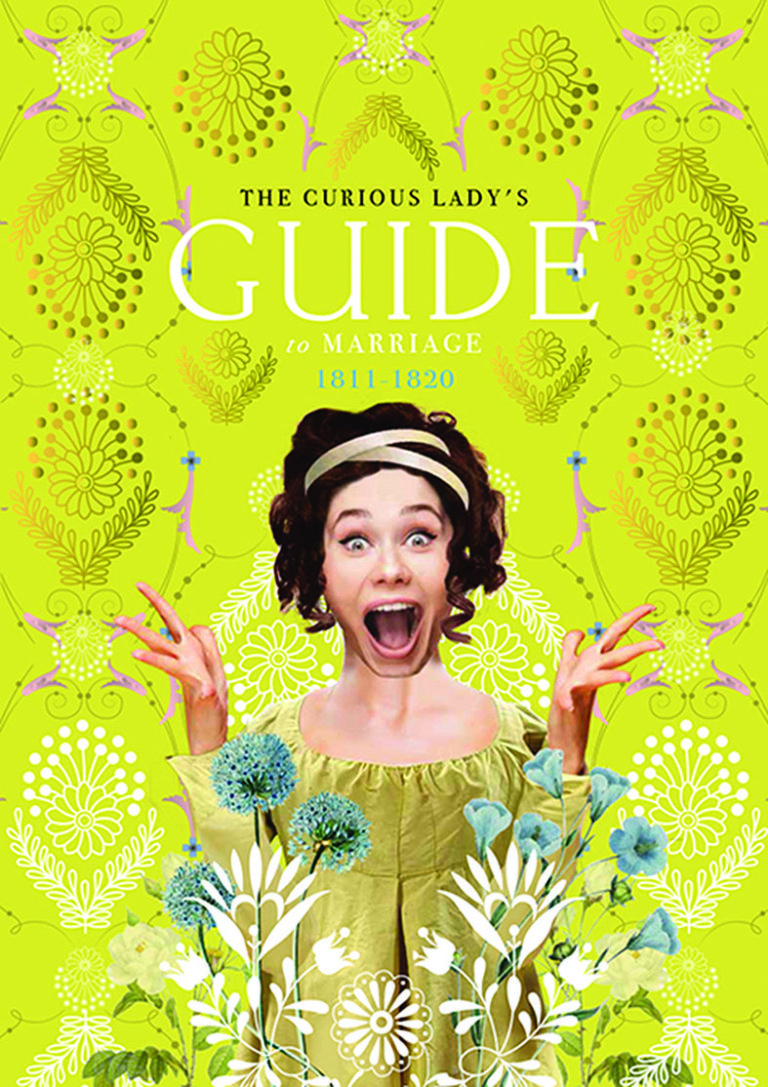
To visit the Pretty Interesting History shop, click here.
The Ellen Hutchins Festival is grateful for funding from Fisheries Local Action Group South (2017-2021), Cork Historical and Archaeological Society (2017), The Heritage Council (2021) and Cork County Council (2020 & 21) which enabled the research and the production of the media on this page.